DNT cabin guide: how the hut system works, keys, and booking
More than 600 cabins, three service levels and one standard key. How the DNT network works, what it costs and how to book.
DNT runs more than 600 mountain cabins, from staffed lodges that cook your dinner to locked huts where you carry in every meal. Here’s how to get the 100 NOK key, what a night costs in 2026, how booking works and the rules every guest follows.
The Norwegian Trekking Association (Den Norske Turistforening, DNT) and its local member associations run more than 600 cabins in Norway's mountains and forests. Some serve you dinner. Others give you a woodstove, a gas burner and a bunk, and expect you to carry your food in. All of them run on trust, and on rules every guest follows.
Don't expect a hotel. At self-service and unstaffed cabins nobody makes your bed, cooks for you or cleans up after you. You share a dormitory with strangers, you wash your own dishes, and you carry in firewood for whoever comes next. Bring a sheet sleeping bag (lakenpose). You sleep in it under the cabin's duvets.
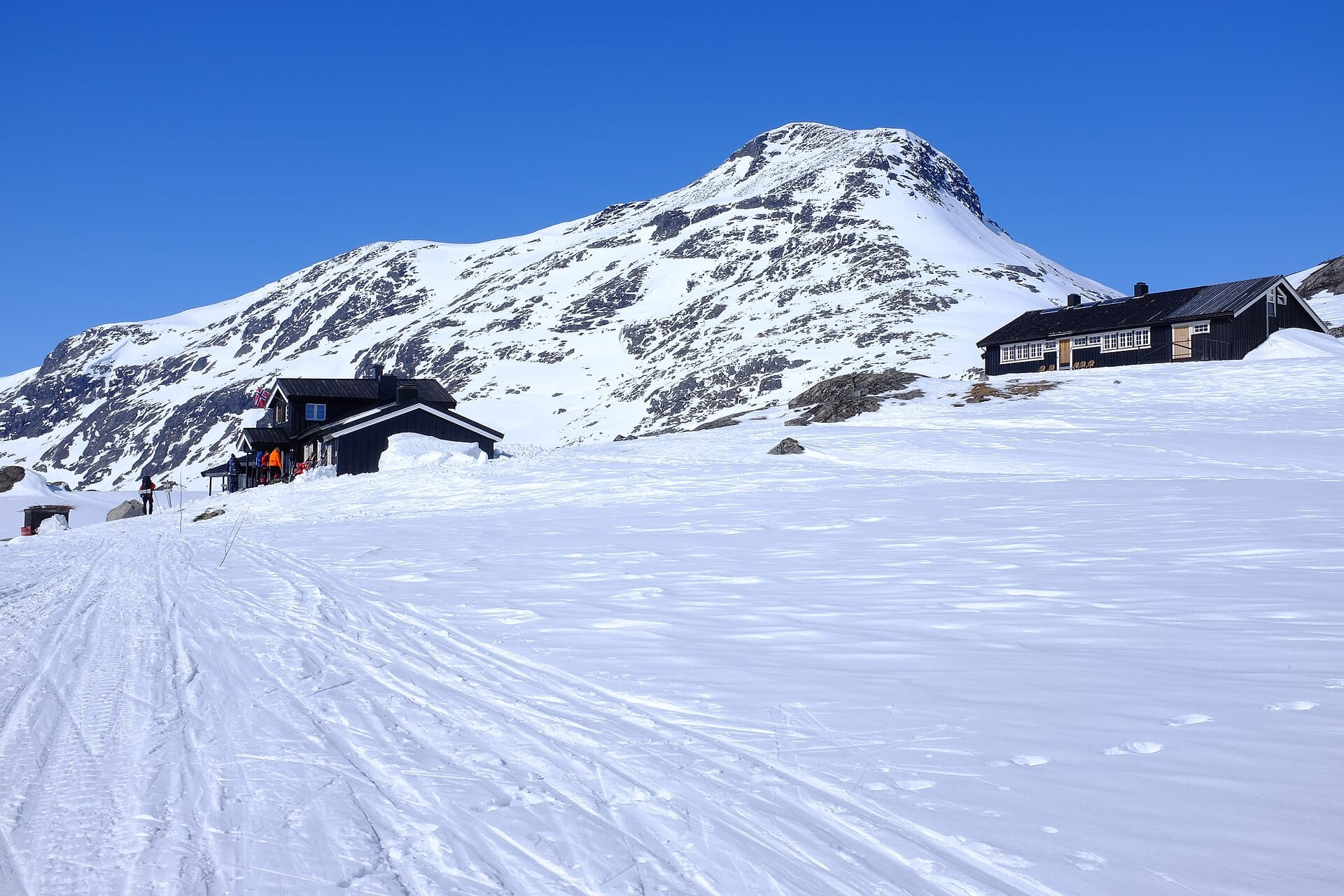
Three types of cabin
| Type | What you get | Per night, members (2026) |
|---|---|---|
| Staffed (betjent) | Hosts cook dinner and breakfast. Most open from late June to mid-September. | 1,300 NOK guide price with full board |
| Self-service (selvbetjent) | No staff. A pantry of tinned and dry food you pay for, plus gas, woodstove, bunks and kitchenware. Locked with the DNT key. | 250 to 350 NOK, food extra |
| Unstaffed (ubetjent) | No staff and no food. Gas, woodstove, bunks and kitchenware. You carry in every meal. Locked with the DNT key. | 250 to 350 NOK |
Non-members pay a higher rate at every type. Prices differ between DNT's local associations, so check the cabin's own page.
The DNT key
Self-service and unstaffed cabins are locked, and one standard key opens most of them: the DNT key (DNT-nøkkelen). It's a member benefit.
- Join DNT. An ordinary adult membership (ages 26 to 66) costs 885 NOK a year, and it cuts your overnight rate at every DNT cabin.
- Pay the deposit. The key costs a 100 NOK deposit, refunded when you hand it back.
- Collect it. Order it in DNT's online shop, pick it up from a local DNT association, or get one at many staffed cabins.
Booking: what you can reserve and what you can't
Book through DNT's cabin booking site, hyttebestilling.dnt.no, and pay in advance. Many cabins also take drop-in guests, and unbooked beds go to whoever arrives first. Olavsbu in Jotunheimen shows how the split works: 24 of its 52 beds can be booked, and 28 are held for drop-in guests.
When every bed is taken, DNT says you will in most cases still get a mattress on the floor. Don't plan a July trip around that. Book the staffed cabins on your route as soon as your dates are fixed, and check each cabin's page on ut.no for its season, booking rules and services. Some cabins can be rented whole for a group.
The cabin routine: arrive, stay, leave
- Boots off at the door. Wet boots and shells stay in the entrance or the drying room. Nobody walks into the living room in hiking boots.
- Sign the visitor log (besøksprotokollen). Write your name, membership number and your route. If you go missing on the next stage, this book tells the rescue team where to start. It's the cabin version of Fjellvettreglene (the Mountain Code) rule 1: plan your trip and tell others where you're going.
- Pay in the DNT app. Register your night and anything you take from the pantry in the DNT app (DNT-appen). It works without mobile coverage.
- Keep quiet hours. Silence from 23:00 to 06:00. The hikers in the next bunk start at dawn.
- Leave it as you'd want to find it. Wash the rooms you used and make the beds. Carry in firewood for the next guest. Close the gas at the regulator, empty the water containers, take your rubbish with you, shut every window and lock the door.
The cabins are your bad-weather plan
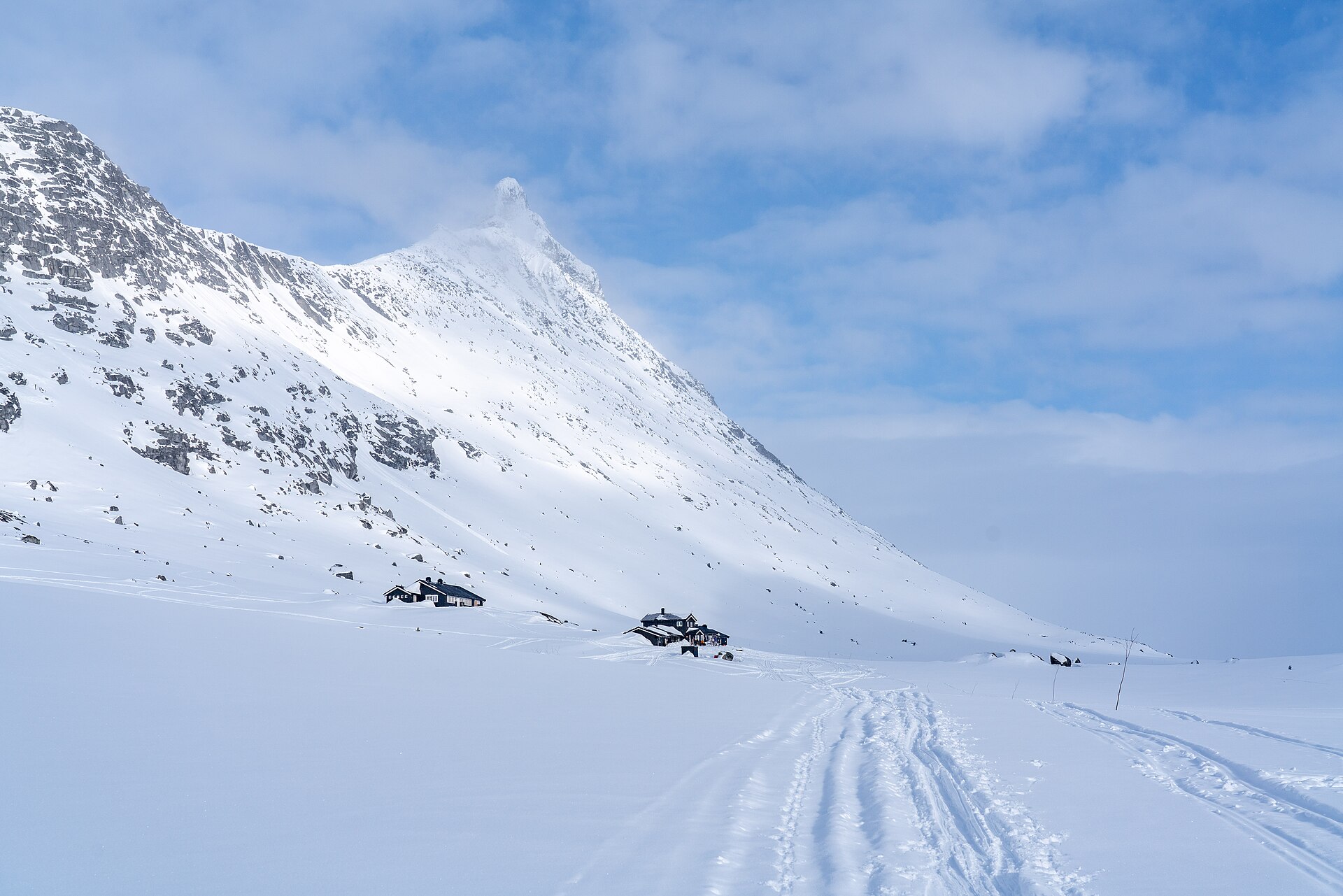
Weather on Norway's high plateaus turns in an hour. A clear morning on the Hardangervidda can end in wind and sleet by noon, and there is no shelter between cabins except what you carry. Fjellvettreglene rule 9 says it plainly: save your strength and seek shelter when you need to. Plan each stage so the next cabin is within reach of the slowest person in your group, and carry enough food and clothing to wait out a storm between them.
Then you push the door open. Woodsmoke, wet wool steaming over the stove, the hiss of a gas burner and a table of strangers comparing routes over a pot of coffee. Nobody asks where you're from. They notice whether you brought in wood.
Marte Åsheim is the Mountain Safety Editor at NorgeTravel. She has spent 18 years guiding in Jotunheimen and Rondane, based in Lom. She has zero tolerance for hikers who leave the woodbox empty. She can be reached at hei@norgetravel.com.
Sources: dnt.no membership, key, cabin rules and price pages; hyttebestilling.dnt.no; ut.no (Olavsbu). Prices vary between DNT's local member associations. Checked October 2026.
Plan your Norway itinerary
Use our free, interactive trip planner to map out your route through Norway, book verified eco-friendly cabins and transport, and sync with local ferry timetables.
Up Next: Keep Exploring
Bergen to Lofoten: every route compared (fly, drive, ferry, Hurtigruten)
Svolvær is about 1,570 km from Bergen by road. Here are all five ways to get there, from flights via Bodø to the Hurtigruten, with the Bodø–Moskenes ferry rules to know before you go.
Norway ferry guide 2026: schedules, AutoPASS, and booking
Most Norwegian ferries run like buses and take no bookings. A few don’t. Here’s how payment works for Norwegian and foreign cars, which crossings to book in 2026, and who now runs the Geiranger–Hellesylt ferry.
How much does Norway cost? A real budget breakdown by region
A beer costs 112 NOK in an Oslo bar and 33 NOK in a shop. Here’s what hotels, meals, ferries and mountain cabins actually cost in Norway, region by region, with sources.